483
AARI Impact and Cohort Results
Proof from the rooms where students build.
AARI's work is visible in student sessions, partner visits, lab tables, data center discussions, Smart Illuminating Helmet reviews, and applied AI infrastructure presentations.
Summer 2026 Cohort
The learning model worked. The closeout system lagged.
AARI's six-participant weekly ledger now includes the September 4 closeout submission that arrived after the August 28 cumulative report. It documents 483 participant-hours, at least 150 participant-days, and 35 weekly entries across seven reporting periods. Because only one of six expected final-week reports was present, these figures are documented minimums, not a complete cohort total.
150+
Recorded participant-days
35
Weekly progress entries
83%
Weekly-ledger coverage, 35 of 42 expected entries
60%
Entries with a labeled evidence section
5 of 7
Accessible resumes that included AARI experience
What changed over the cohort
Weeks 1-2
Access and foundations
Linux terminals, Git and SSH, ROS 2 orientation, cloud workflows, interview practice, equipment inventory, and initial system access.
Weeks 3-4
System bring-up
Raspberry Pi imaging, firmware, networking, firewall work, robot components, virtual machines, and simulated telemetry.
Weeks 5-6
Integration and delivery
Infrastructure monitoring, GPU visualization, a security dashboard and threat map, robot integration, curriculum, and technical videos.
Closeout
Handoff and career translation
A resume review, data-engineering and cloud-architecture sessions, and a submitted perception-curriculum handoff. Weekly reporting was incomplete.
Learning insight
Students learned to move between layers.
The strongest evidence is not tool exposure. Students changed layers when a system failed: an unavailable static IP became a virtual-machine and simulated-data workflow; headless-device failures moved to direct-display diagnosis; an incompatible operating system was replaced; and an installation problem was resolved with SSH keys.
That is the infrastructure-up model in practice: hardware, operating systems, networking, cloud services, applications, and documentation became one connected problem rather than separate classes.
Delivery insight
Software outputs closed faster than physical integration.
By late August, the data-center and cybersecurity work included a completed monitoring application, GPU visibility, a security dashboard, a live threat-map feature, and instructional videos. Robotics reports still listed the robot, LiDAR integration, and ROS 2 certification as next deliverables.
The difference points to dependency risk, not a lack of effort. Hardware availability, firmware, operating-system compatibility, networking, and shared build time created a longer integration path than software-only work.
Workforce insight
Building skill and proving skill were separate jobs.
Seven resume files were accessible at closeout, but five included AARI experience. The August 31 review repeatedly called for clearer ownership, metrics, working GitHub links, READMEs, project sites, and reproducible demonstrations.
Students had work to describe. The unfinished step was converting that work into evidence that a recruiter or technical reviewer could evaluate without explanation.
Program insight
Closeout must begin before the final week.
The retained closeout tracker was created September 2 for a September 4 deadline, and access requests were still arriving September 3. The weekly ledger, closeout roster, and outcome scoreboard also contained different participant counts.
The next cohort will use one roster, validate access before work begins, require a direct artifact every week, and start README, demo, resume, and handoff reviews before the final sprint.
Sources: the de-duplicated cumulative weekly ledger through August 28, the September 4 individual closeout report, the closeout tracker, accessible resume files, and cohort-session records from August 31 and September 4. Student work and hours are participant-reported unless a public artifact is linked; certification, hiring, and placement claims remain unpublished without confirmation. Results are published only as de-identified whole-cohort aggregates. Read the impact methodology.
Student Workshops
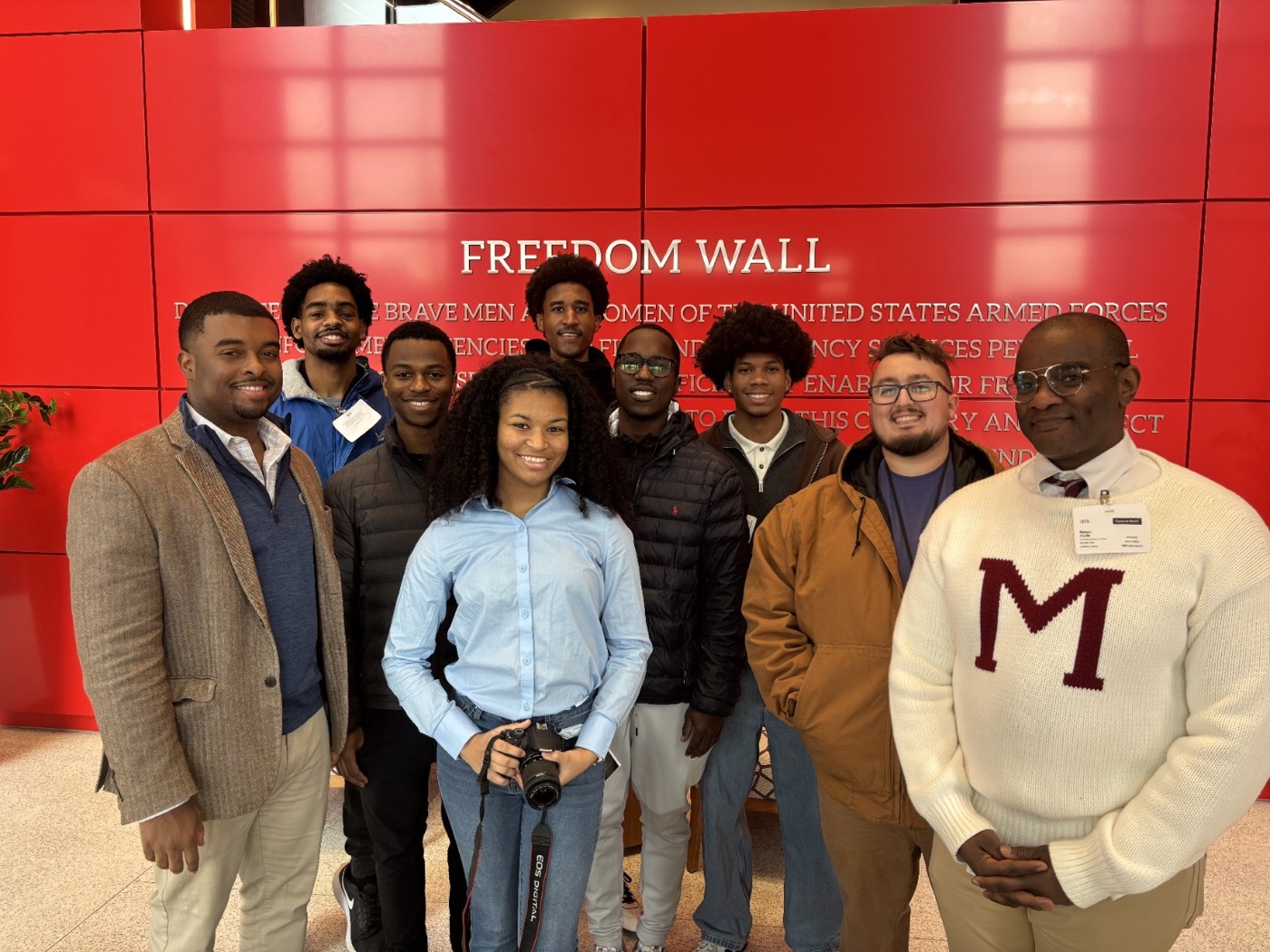
Students in technical lab sessions at Morehouse
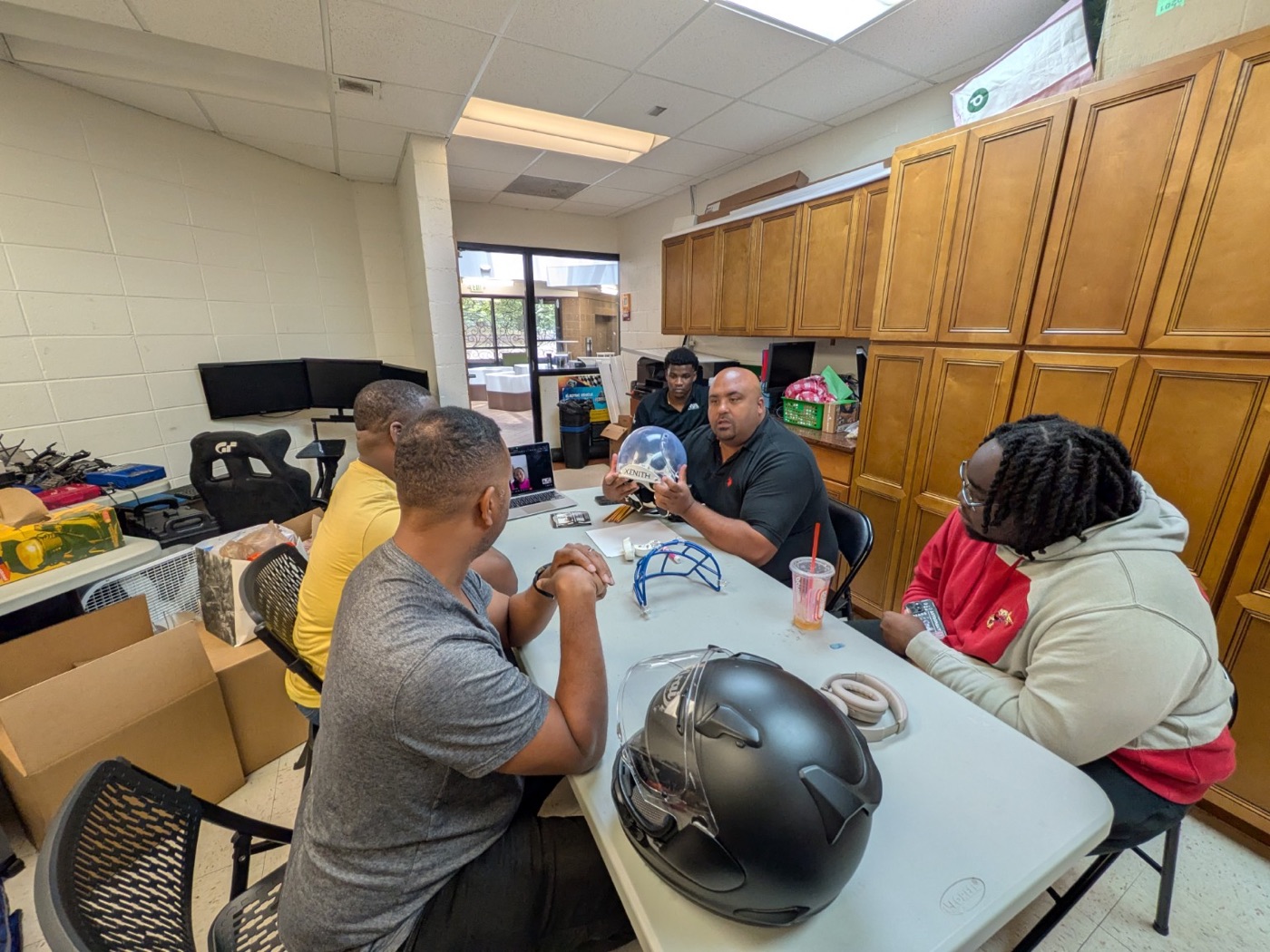
AARI partner and student workshop
Students collaborating during an AARI workshop table session
Corporate Exposure
AUC students visiting Microsoft for applied AI and infrastructure exposure
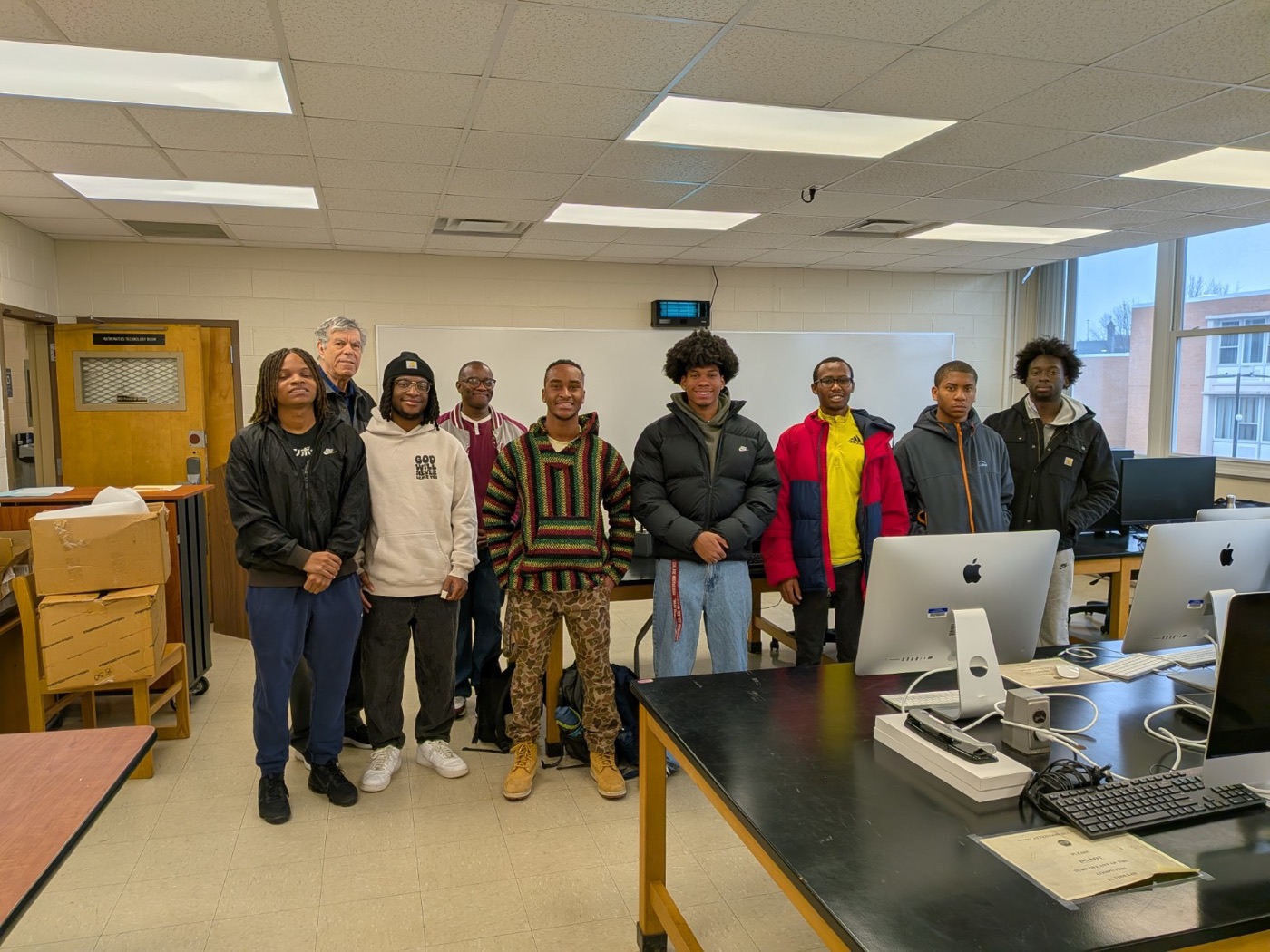
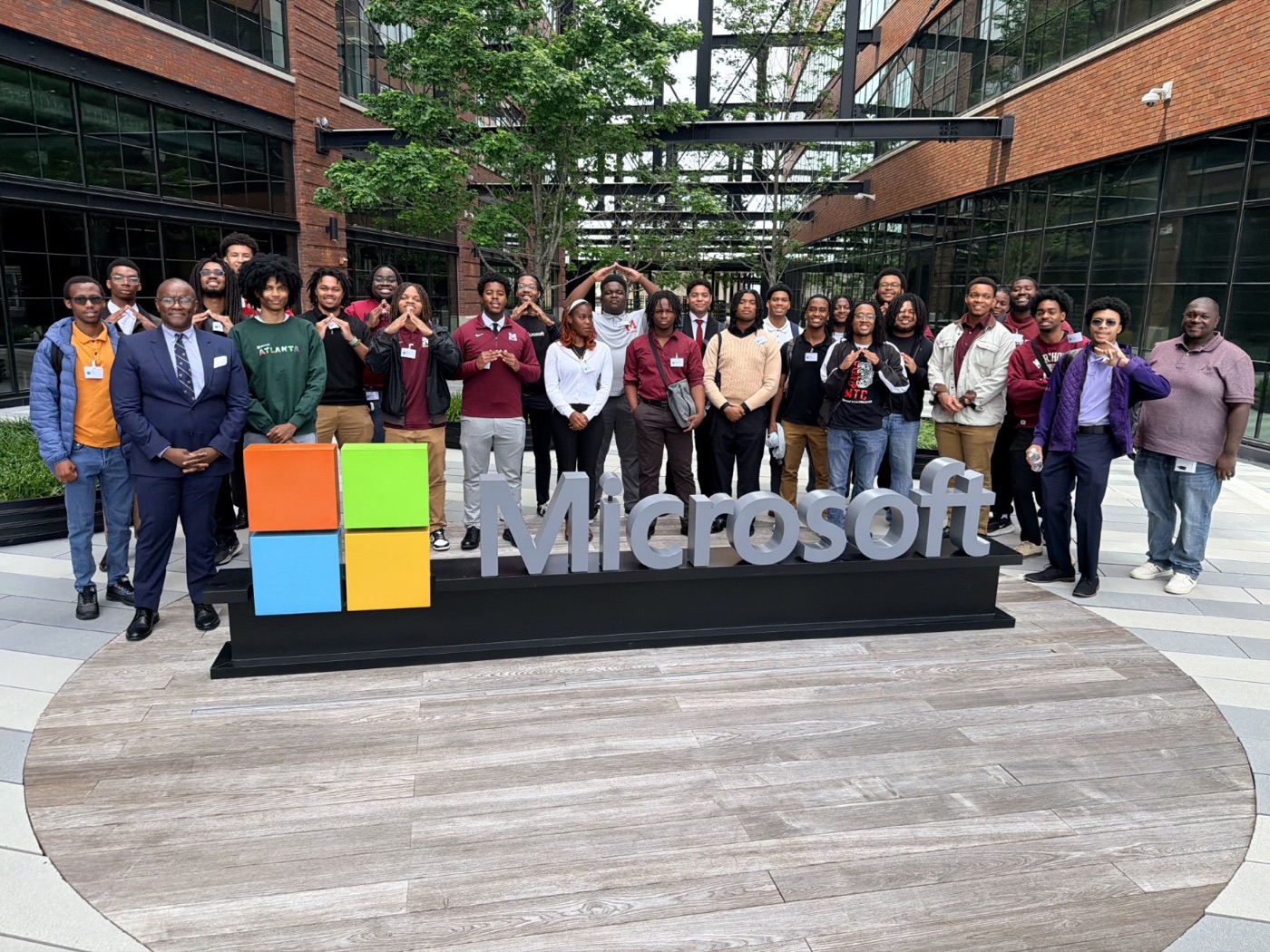
AARI student cohort at Microsoft Atlanta
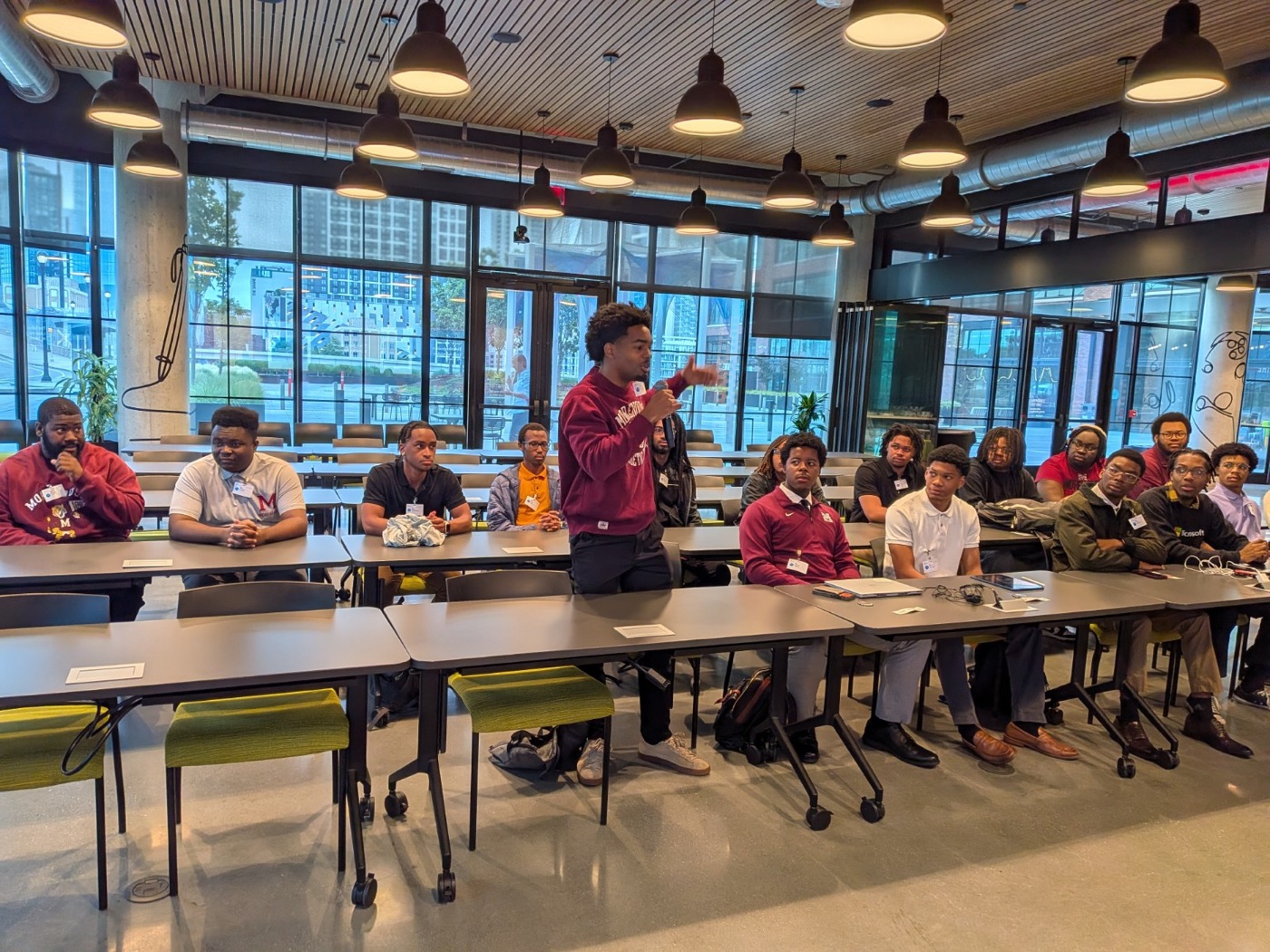
Student-led discussion during Microsoft session
Robotics and Edge AI Labs
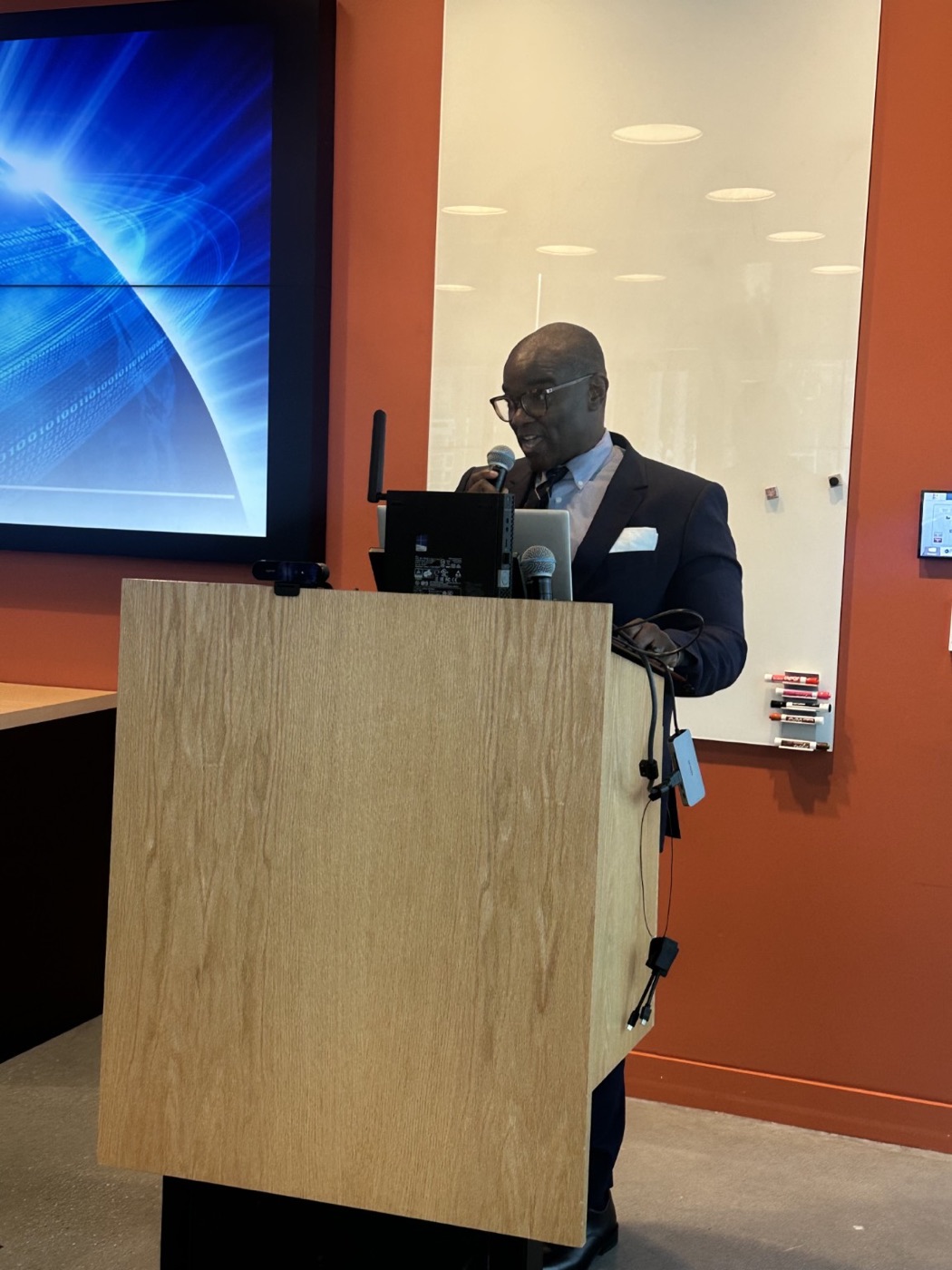
Garage Data Center work session with students
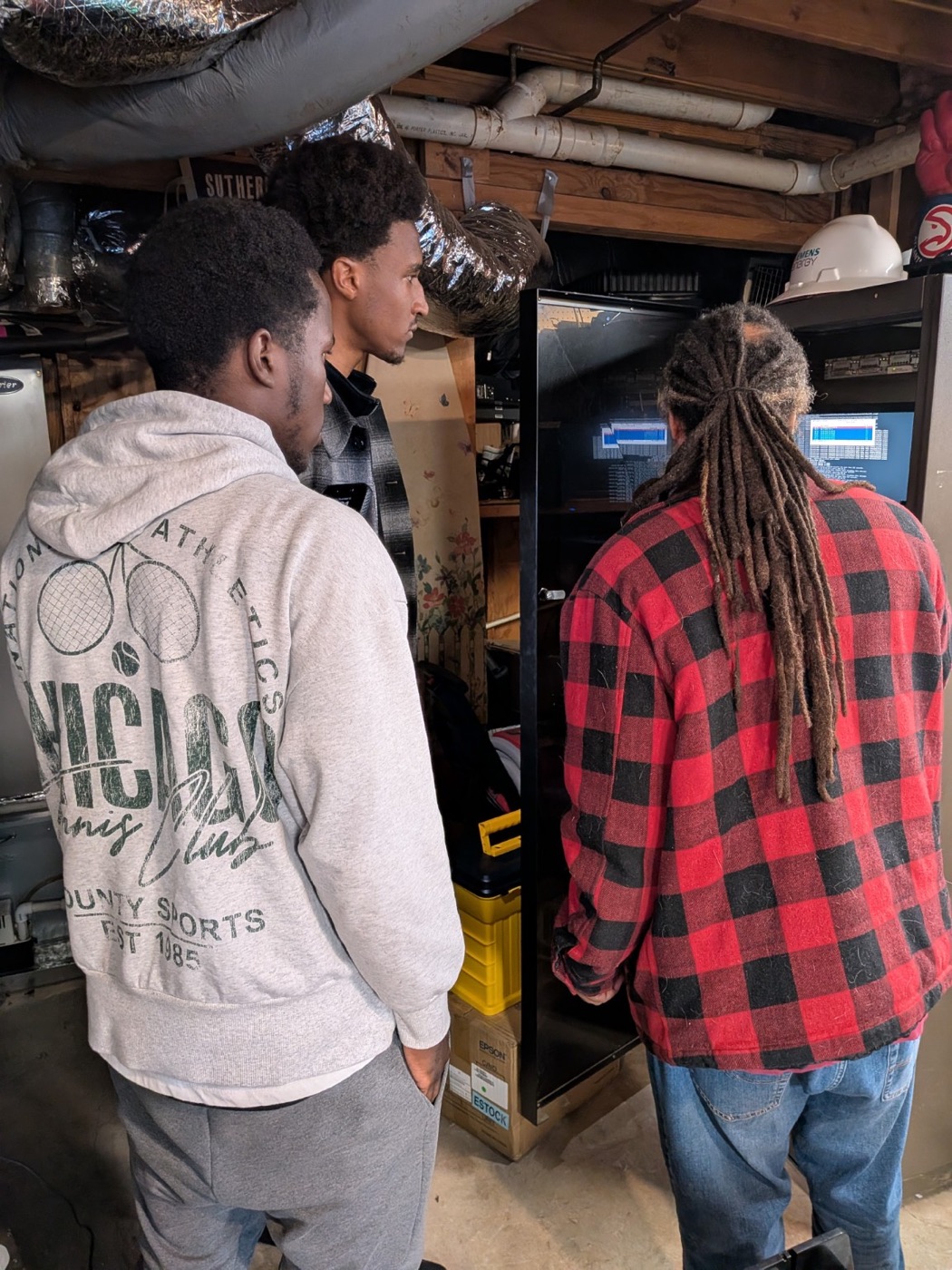
Students reviewing live systems inside the Garage Data Center
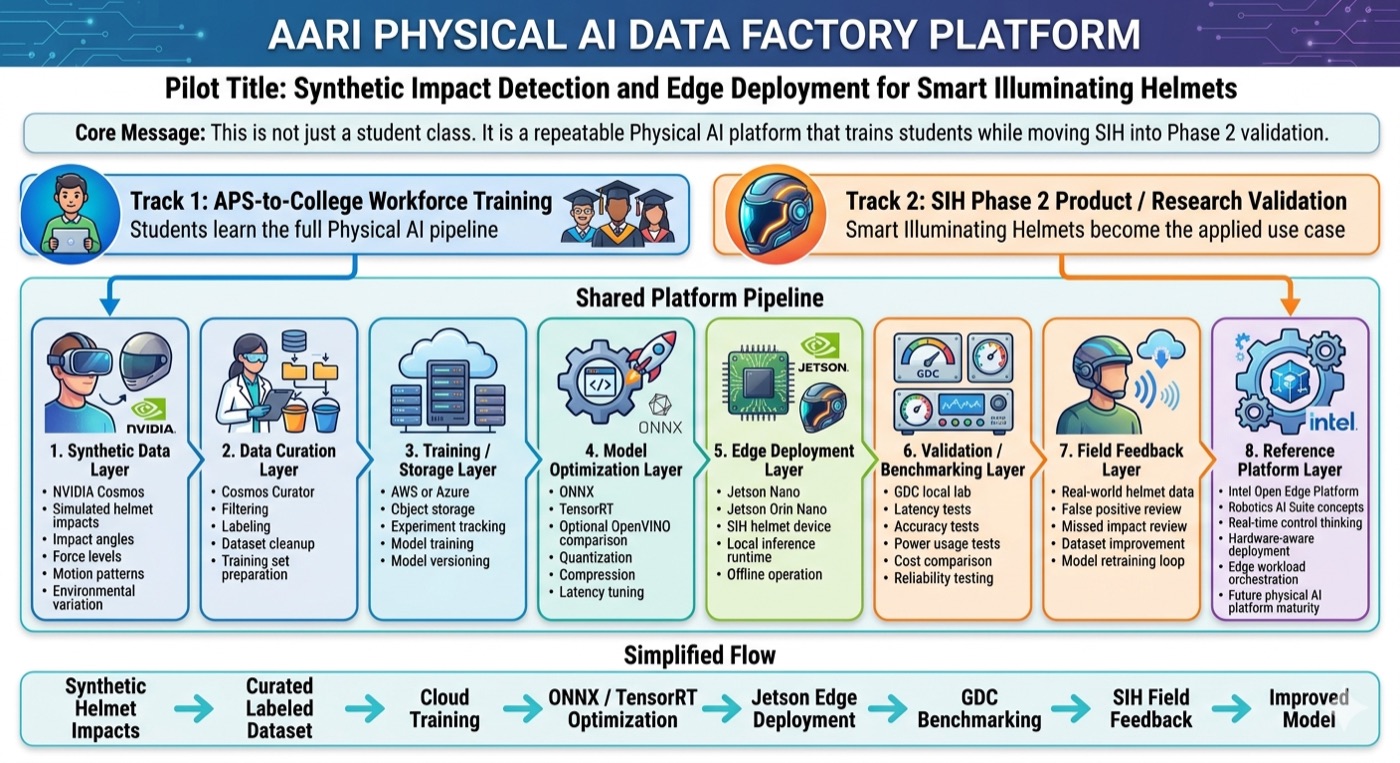
Applied infrastructure visual for robotics and edge AI development
Smart Illuminating Helmet
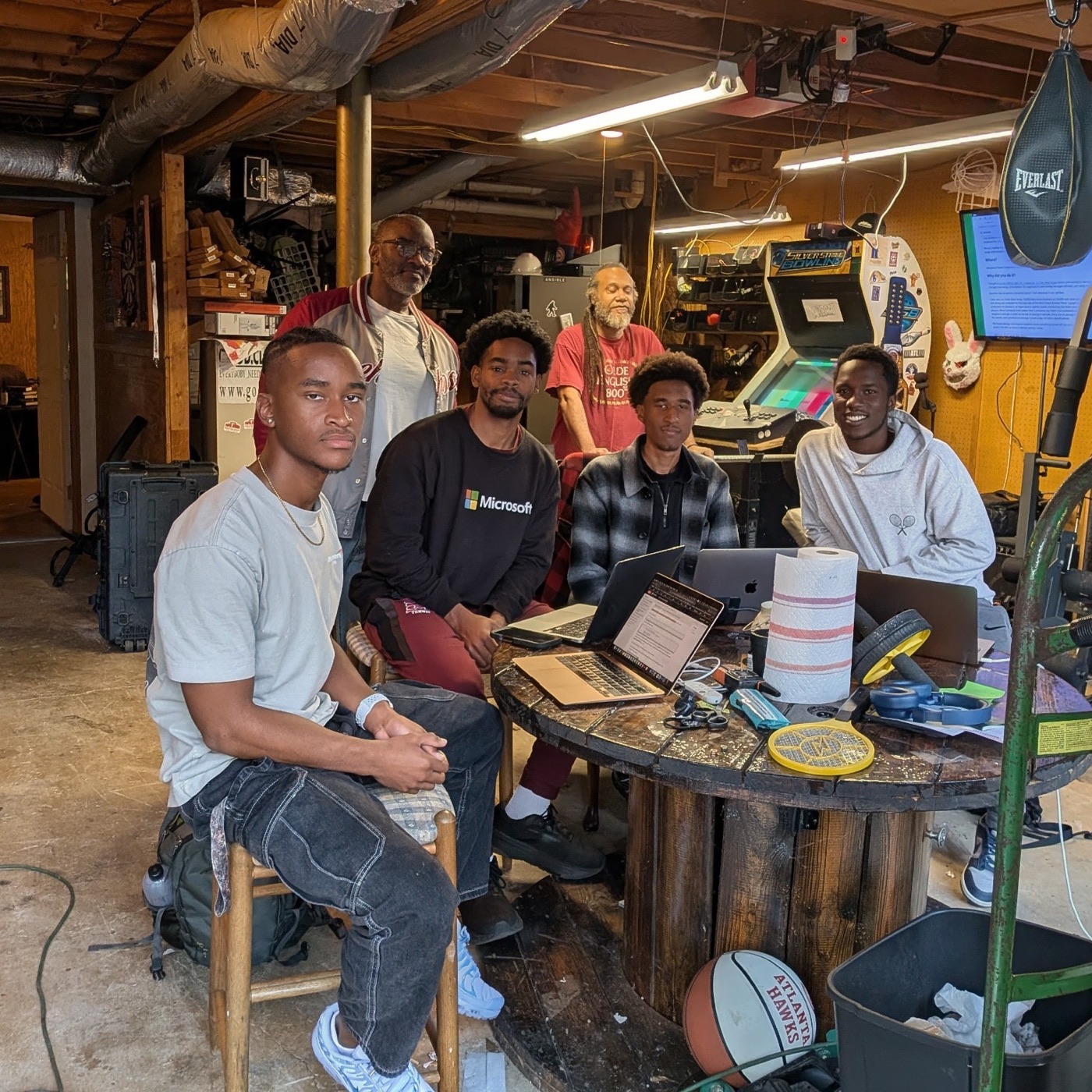
Smart Illuminating Helmet product review session
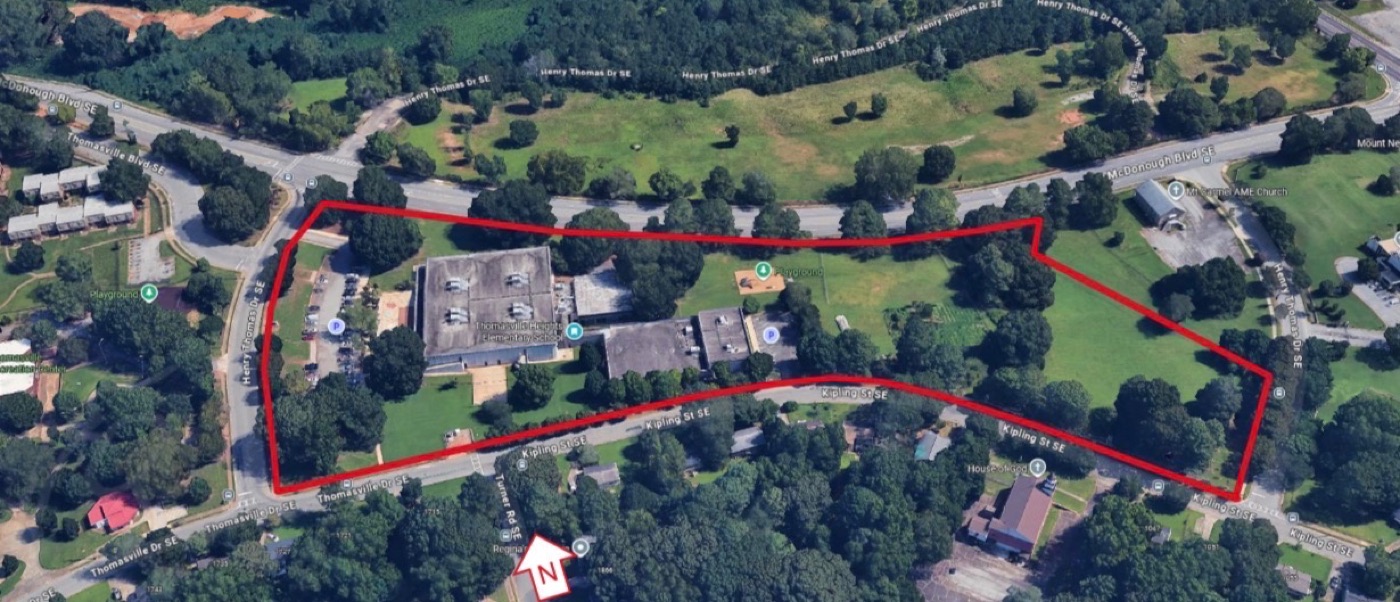
Smart Illuminating Helmet development work session
AARI Leadership
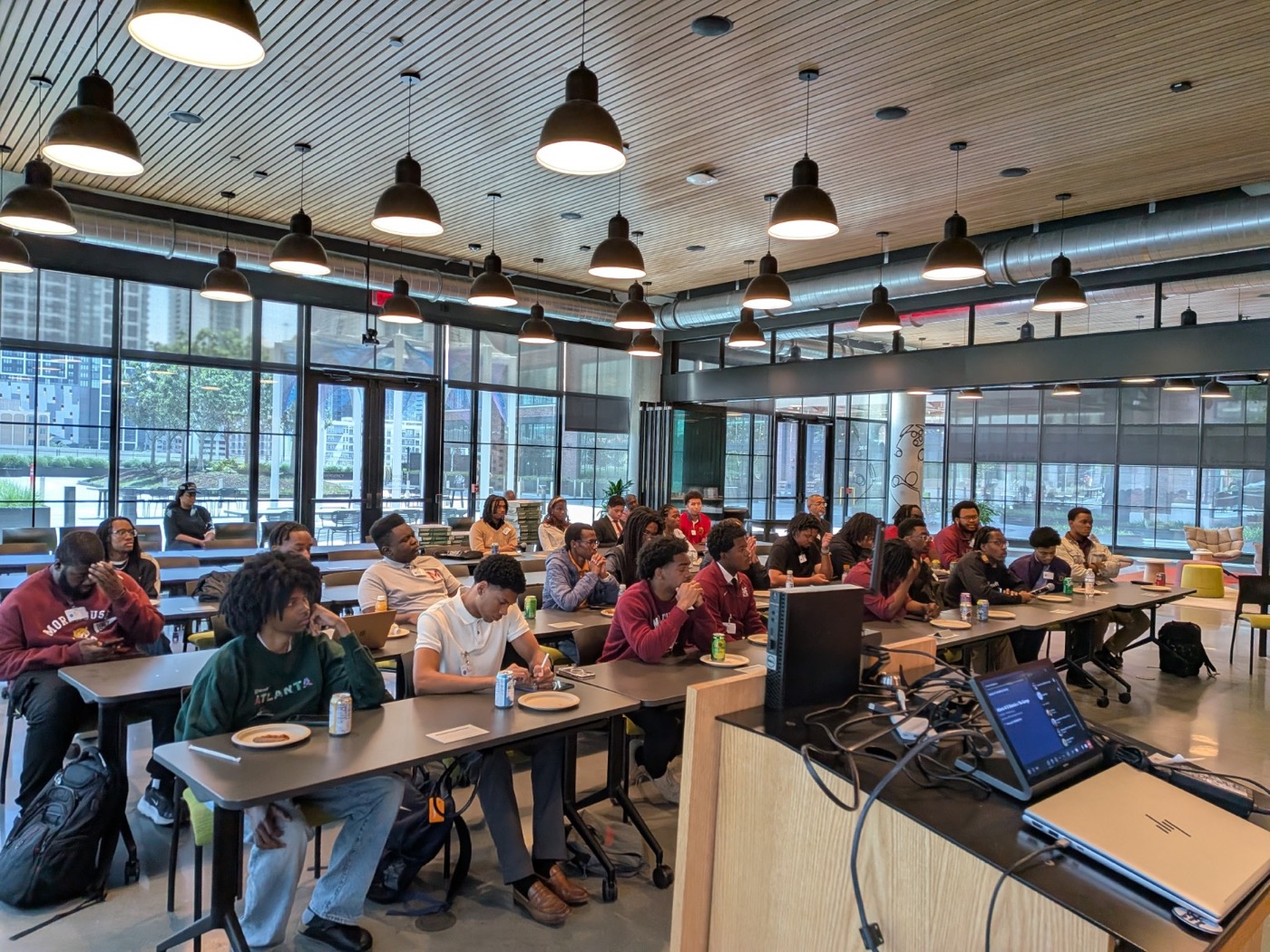
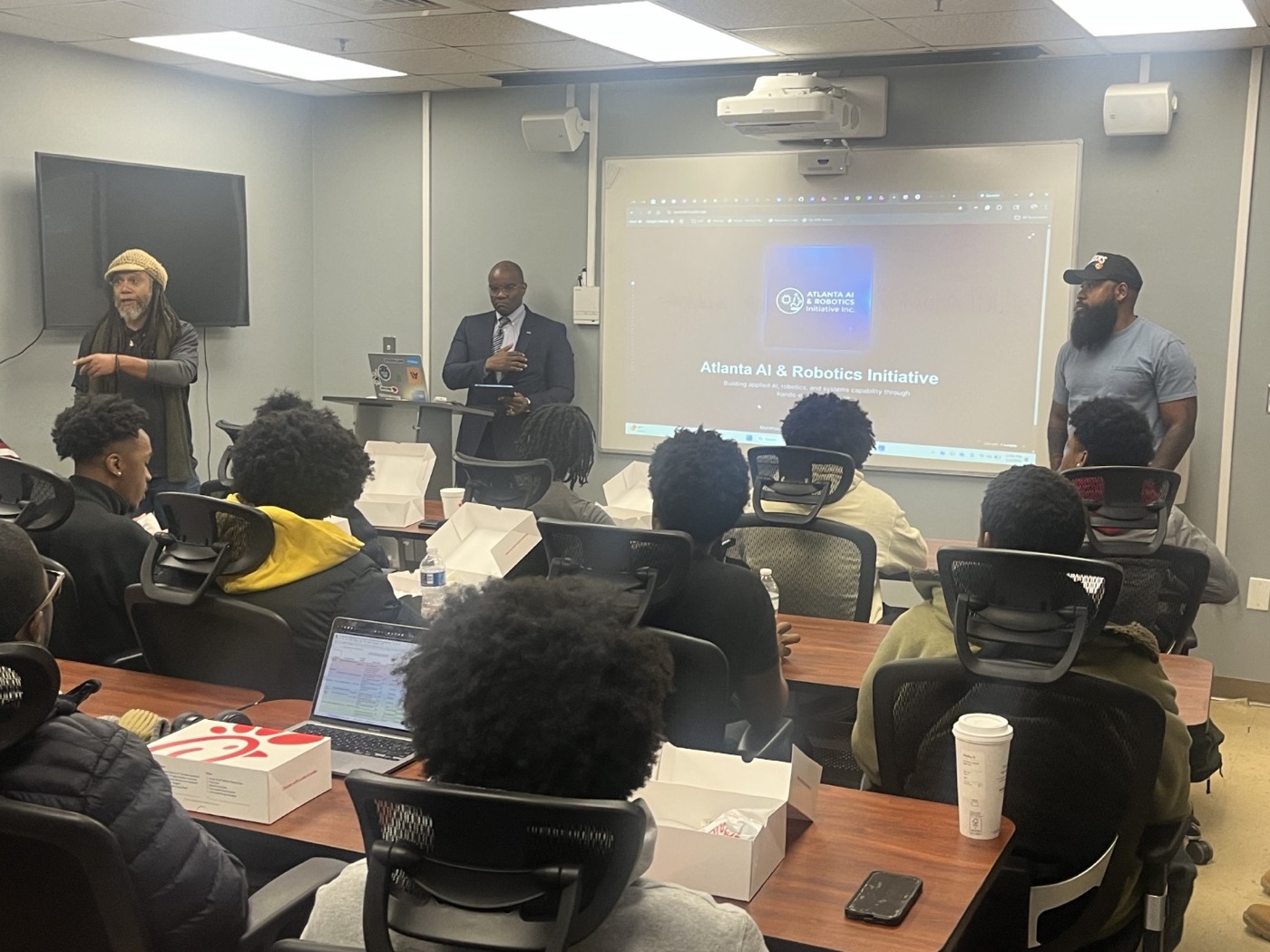
AARI leadership presenting applied AI infrastructure work
Proof, Not Theater
Students do not just hear about AI, robotics, cloud, edge computing, and infrastructure. They see it, touch it, question it, and build with it.